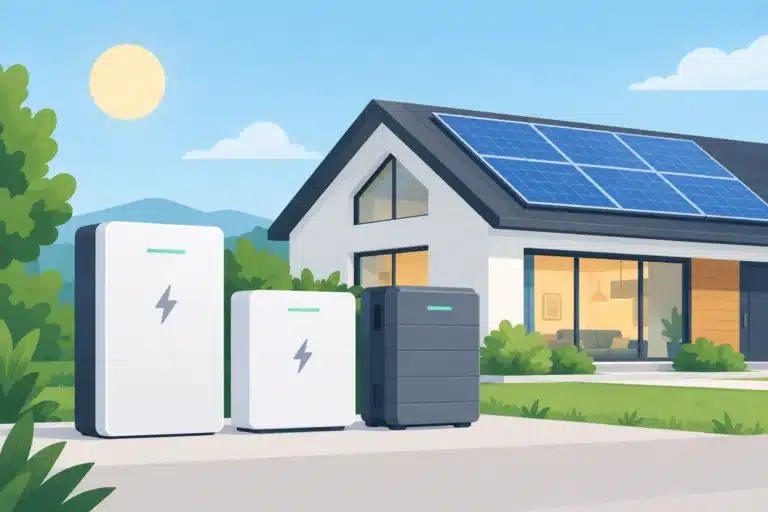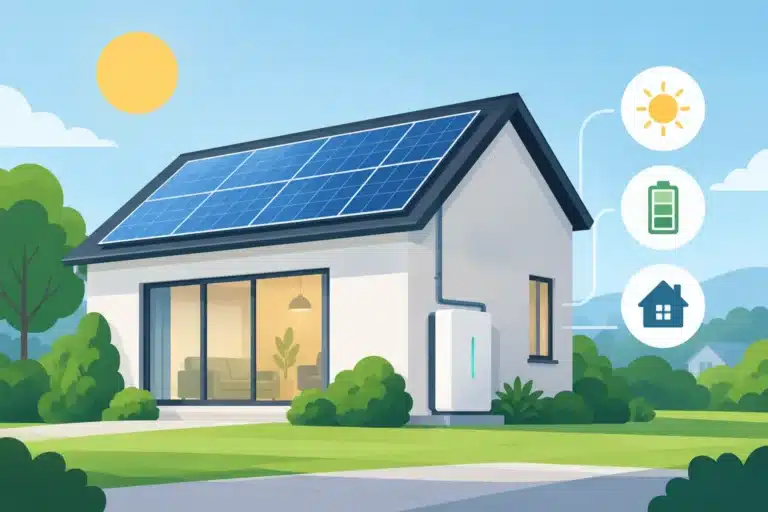
A sunny afternoon can produce more solar energy than your home can use. Without a battery, that extra power is usually sent to the grid for a modest feed-in credit, then you buy electricity back after sunset at a much higher rate. That gap is why many homeowners ask, are solar batteries worth it?
For the right household, the answer is yes. A solar battery can turn more of the energy from your panels into lower evening bills, add protection during outages when paired with backup capability, and reduce reliance on rising grid electricity rates. But it is not an automatic win for every home. Your solar production, usage pattern, electricity plan, budget, and reason for buying all matter.
So, Are Solar Batteries Worth It?
Solar batteries are generally worth considering when your household generates plenty of excess solar during the day and uses a meaningful amount of electricity in the evening or overnight. Instead of exporting low-value solar power, you store it and use it later to run lights, cooking appliances, air conditioning, entertainment, and other household loads.
The value is strongest when the battery is part of a properly designed home-energy plan, not an add-on selected by guesswork. A system should be sized around your actual consumption, panel output, roof conditions, and the appliances you plan to electrify in the future. This might include a heat-pump water heater, efficient heating and cooling, or an electric vehicle.
A battery also has value that does not show up neatly on a bill. Homes with backup-ready systems can keep selected essential circuits operating during a blackout. For families working from home, households with medical equipment, or anyone tired of losing power during severe weather, that reassurance can matter as much as the financial return.
The Numbers That Make a Battery Pay Off
The basic battery calculation is straightforward: compare the value of using a stored kilowatt-hour yourself with the value of exporting it to the grid. In many cases, grid electricity purchased during the evening costs far more than the credit earned for daytime solar exports. A battery helps you keep more of that solar energy for your own home.
Your daytime exports matter
If your panels regularly produce more power than your home uses between late morning and mid-afternoon, you have energy available to charge a battery. A household that is empty all day, then uses power heavily from 5 p.m. onward, is often a strong candidate.
On the other hand, if you already use most of your solar generation during the day for pool pumps, laundry, cooling, or home-office equipment, there may be less surplus available to store. A battery can still help, but the savings case needs closer attention.
Your evening usage matters even more
A battery is most useful when it discharges into expensive grid-use periods. Check your electricity bills and, if available, interval data from your retailer or smart meter. Look for the amount of power your home uses after solar output falls away.
High evening use does not automatically mean you need the largest battery available. Oversizing can leave capacity unused for much of the year. The better approach is to select a battery that can cycle regularly and cover the loads you genuinely want it to support.
When a Solar Battery Makes the Most Sense
A battery can be a practical investment for homeowners who want lower bills and greater control over how their energy is used. It is particularly compelling in several situations.
You already have solar and export a lot of power
Existing solar owners often see the clearest battery opportunity. Your panels are already doing the hard work of generating clean electricity, but excess production may be leaving the property for a low export rate. Adding storage can increase your solar self-consumption and reduce how much power you need to buy after dark.
Before installation, check whether your current inverter is battery-ready. Some homes can add an AC-coupled battery, while others may benefit from a hybrid inverter upgrade. A site-specific assessment will identify the most cost-effective path instead of forcing one product into every home.
You want dependable backup power
Not every battery provides the same outage protection. Some systems only store energy for bill savings, while others can power chosen circuits or much of the home during a blackout. Backup performance depends on the battery, inverter, switchgear, and which appliances are included in the backup design.
Be clear about what you expect to run. Keeping the refrigerator, lights, internet, garage door, and a few outlets powered is very different from running central air conditioning, electric heating, or every appliance at once. Good battery design sets realistic expectations before installation day.
You are planning more electric appliances
A home that is adding a heat pump, electric water heater, air conditioning, or EV charging may use more electricity overall. Solar and storage can help manage that transition, especially when appliances can be scheduled to run while the sun is out.
This is where future planning pays off. A battery installed for today’s usage may be too small once your household replaces gas appliances or buys an EV. Planning ahead does not always mean buying the biggest system now, but it does mean leaving room for expansion where it makes financial sense.
Battery Size Matters More Than a Sales Pitch
Battery capacity is usually measured in kilowatt-hours, but capacity is only one part of the decision. You also need to consider usable capacity, power output, warranty terms, cycling limits, and the battery’s ability to support your preferred loads.
A smaller battery that charges and discharges often can deliver better value than a larger unit that sits partially full. Conversely, a household seeking overnight coverage or substantial outage backup may need greater capacity and output. Your solar system size also matters. A battery needs enough daytime solar production to charge consistently, particularly in winter when generation drops.
For Melbourne and wider Victorian homes, seasonal changes are worth factoring in. Summer solar production can be strong, while shorter winter days and greater heating demand can alter battery performance and savings. A trustworthy installer should discuss annual patterns, not just show a best-case summer estimate.
Costs, Rebates, and the Value of Quality Installation
A battery should be assessed on total installed value, not headline equipment price alone. The quote should cover compatible components, electrical work, installation, commissioning, monitoring, warranty support, and any required switchboard upgrades. Cheap installations can become expensive if the system is poorly matched or difficult to service.
Government programs and rebates can improve affordability, but eligibility, funding levels, and approved-product requirements can change. Confirm what applies to your property before making a decision. It is also wise to compare warranties carefully. Look at the years of coverage, guaranteed retained capacity, throughput conditions, and who will support you if a problem occurs.
Qualified installation is not optional. A battery is a high-value electrical asset that should be designed and installed by appropriately certified professionals. Sol Excel coordinates independent Clean Energy Council-certified installers and focuses on practical system design, dependable products, and pricing that works for Victorian homeowners.
What a Battery Will Not Do
A solar battery will not eliminate your electricity bill in every season, and it will not create solar energy after sunset. During extended cloudy weather, you may still need grid power. If you have large electric loads, such as ducted heating or multiple air conditioners, a modest battery may not cover them for long during an outage.
It also will not compensate for an undersized or poorly performing solar system. In some homes, adding panels, improving appliance efficiency, shifting usage to daytime hours, or choosing a better electricity plan should come before battery storage. The best upgrade is the one that addresses the biggest source of avoidable energy cost.
A clear usage review and a properly itemized quote will tell you more than a generic payback promise. If your home exports solar by day, buys significant power at night, and you value backup capability, a battery deserves a serious look. Start with your bills, your future appliance plans, and the level of energy independence you want from your home.