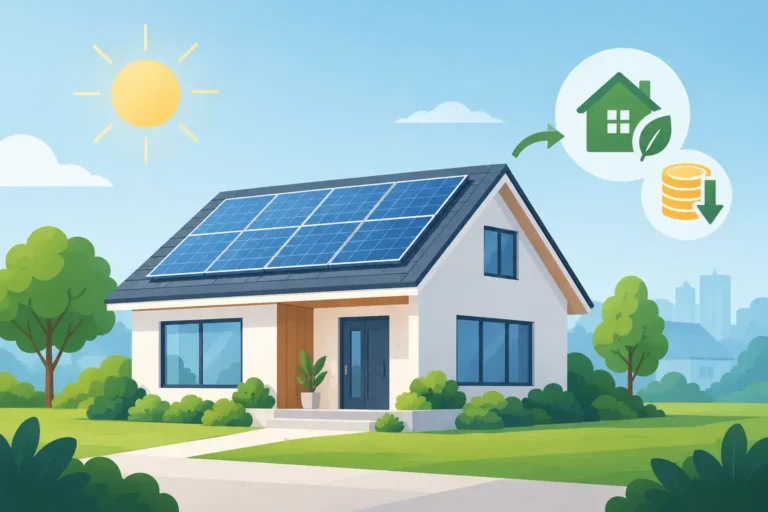
A high power bill is not always a sign that your household uses too much energy. Often, it means you are buying most of your electricity at the most expensive times of day. Solar changes that equation by producing power where you use it: at home.
This residential solar guide is built for homeowners who want clear answers before investing. The right system can reduce reliance on the grid, support electric appliances, and make monthly energy costs more predictable. But solar is not a one-size-fits-all purchase. Your roof, daytime energy use, local rates, future plans, and equipment choices all affect the result.
Residential Solar Guide: Start With Your Energy Use
The best place to start is not with the number of panels. Start with your electricity bills. Look at a full year of usage if possible, because heating, cooling, pool pumps, and seasonal weather can change your consumption significantly.
Pay attention to two numbers: how much electricity your home uses overall and when you use it. A household that is empty most weekdays may consume more energy after sunset, when panels are no longer producing. A family working from home, running air conditioning, or charging an electric vehicle during the day can use much more of its solar power directly.
Direct use matters because electricity used from your panels is electricity you do not need to buy from the utility. Excess solar can be exported to the grid where available, but export credits are often lower than the price you pay to buy electricity. The goal is not simply to install the largest possible system. It is to install a system that fits your home, budget, roof, and energy habits.
A practical consultation should consider your current bills and the changes you expect over the next five to 10 years. If you plan to add an EV, replace a gas water heater with a heat pump, install electric heating and cooling, or build an addition, your future electricity needs may be higher than they are today.
Choosing the Right Solar System Size
System size is usually measured in kilowatts, or kW. A smaller system may cover basic household loads and reduce daytime grid purchases. A larger system can better support bigger families, all-electric appliances, an EV, or a battery.
There is no universal “best” size. It depends on your annual energy use, usable roof space, local solar production, and utility rules. Roof orientation and shading also matter. A large, unshaded roof facing the strongest sun may produce more useful energy than a larger panel count installed across shaded sections.
Do not judge a proposal on panel quantity alone. Compare the expected annual production, panel wattage, inverter capacity, workmanship, warranty terms, and total installed price. Two quotes with the same number of panels can deliver very different performance and long-term value.
A well-designed system also accounts for electrical limits. The inverter converts the panels’ direct-current power into the alternating-current power your home uses. Its capacity, placement, monitoring features, and compatibility with future battery storage deserve as much attention as the panels themselves.
Roof condition comes first
If your roof is nearing the end of its life, address that before installing solar. Removing and reinstalling panels for roof repairs adds cost and disruption. A professional site assessment should check roof condition, available space, shading from trees or nearby buildings, electrical switchboard capacity, and safe access for installation.
Some homes are excellent solar candidates even with less-than-perfect orientation. East- and west-facing arrays can produce more power in the morning and afternoon, which may suit homes with high usage before and after work. The right design is the one that matches when your household needs energy, not the one that looks best on a generic diagram.
Solar Panels, Inverters, and Batteries: What Matters
Solar equipment should be selected for dependable daily performance, not just the lowest upfront price. Panels are built to operate for decades, so product quality, manufacturer support, and warranty coverage matter.
Look for clear information about the panel product warranty and performance warranty. The product warranty covers defects in the equipment. The performance warranty addresses how much output the panel should retain over time. These are different promises, and both should be explained in plain language.
Your inverter is equally important. It is the working center of the system and should be sized correctly, installed in an appropriate location, and supported by reliable monitoring. Monitoring lets you see production, spot unusual performance changes, and better understand how your home uses power.
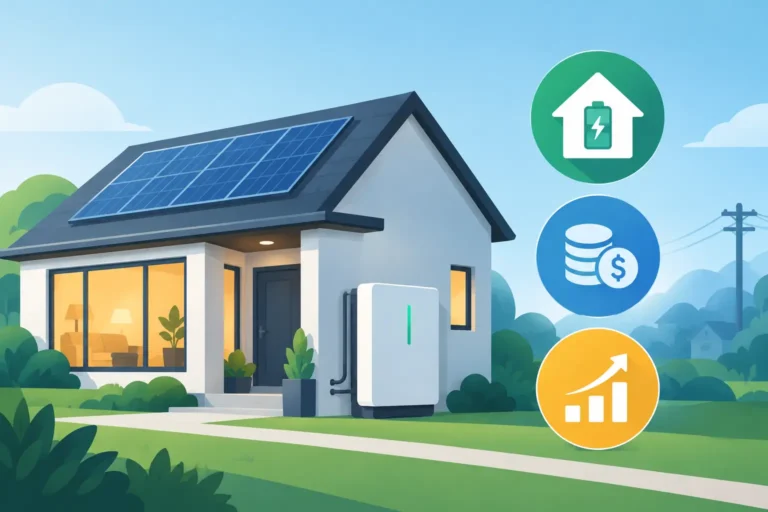
A battery is optional, but it can be valuable for the right household. It stores surplus solar energy for use later, usually in the evening or during periods of higher grid prices. Some battery systems can also provide backup power during an outage, though backup capability depends on the battery, system design, and which circuits are included.
Batteries add upfront cost, so they are not automatically the fastest payback option. They make the most sense when you have substantial evening use, time-of-use utility rates, frequent outages, or a strong goal of reducing grid dependence. If your budget does not allow for a battery now, ask whether the solar system can be designed to add one later.
Understand Cost Beyond the Headline Price
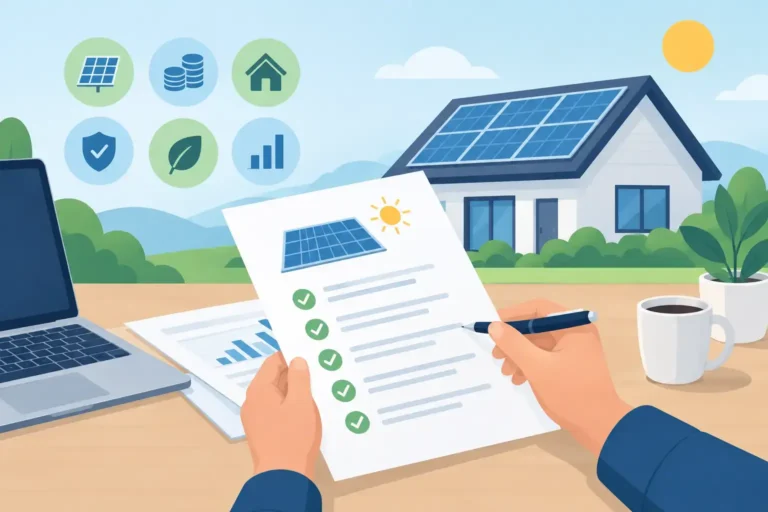
A low advertised price is only useful if it includes the equipment, design, permits, installation, commissioning, monitoring, and warranty support you expect. Ask for an itemized proposal so you can see what is included and what may cost extra.
Your installed cost can be affected by roof complexity, switchboard upgrades, trenching, difficult access, specialized mounting, battery backup requirements, and local permitting. These are not reasons to avoid solar. They are reasons to choose a provider that assesses the site properly instead of offering a price that changes later.
Incentives, tax credits, rebates, and financing programs can reduce the initial cost in some areas. Eligibility rules change, and programs may have income limits, equipment requirements, or application deadlines. Treat estimated incentives as part of the conversation, but confirm the details before making a decision.
Savings also depend on your utility rate structure. A solar proposal should not promise one fixed savings figure without reviewing your usage and local electricity costs. A credible estimate explains the assumptions behind it: expected solar output, projected self-consumption, export value, utility rates, and any planned battery use.
Installation Quality Protects Your Investment
Solar is a long-term home upgrade, so installation quality is not the place to compromise. Use licensed, qualified installers with experience in residential systems, appropriate insurance, and a track record you can verify. Ask who will perform the installation, who manages permits and inspections, and who you contact if you need support after the system is turned on.
The workmanship warranty is just as important as the equipment warranties. It covers installation-related issues, while product warranties come from manufacturers. A strong provider will explain both without vague language.
Before signing, make sure you understand the timeline, payment schedule, expected installation day, utility interconnection process, and what happens if a site condition changes the scope of work. Clear answers at this stage prevent unpleasant surprises later.
Questions worth asking before you buy
Ask how the system was sized, what annual production is expected, and whether shading was considered. Ask which components are included, how monitoring works, and whether the inverter supports future battery expansion. Finally, ask for warranty documents and a clear explanation of who stands behind the system after installation.
These questions are not about making the process difficult. They are how you compare value fairly. A properly designed solar system should feel like a confident home investment, not a rushed sales decision.
Get More Value From the Solar You Produce
Once solar is installed, small changes can improve its value. Run dishwashers, laundry, pool equipment, and EV charging during daylight hours when practical. Set heating and cooling schedules around occupancy, and use monitoring data to see when your home is importing the most grid power.
Solar also works especially well as part of a broader electrification plan. Efficient heat pumps, electric water heating, smart controls, and an EV can all increase the amount of energy you use from your own system. That does not mean every upgrade has to happen at once. A staged plan can protect your budget while preparing your home for lower operating costs over time.
The right next step is simple: gather a year of bills, think honestly about how your household will use energy in the years ahead, and request a site-specific assessment. Clear pricing, quality equipment, and qualified installation turn solar from a promising idea into a practical way to take more control of your energy costs.