A high utility bill is rarely caused by one appliance. It is usually the combined cost of buying electricity at peak times, heating water inefficiently, and asking old cooling or heating equipment to work too hard. The best home energy upgrades address those costs as a system, helping your household use less energy, produce more of its own power, and shift consumption away from expensive grid periods.
The right order matters. A solar system may deliver strong value on its own, but it can work harder when paired with efficient electric hot water, heating, and cooling. A battery can add energy independence, but its financial return depends on your usage pattern and electricity plan. Start with the upgrades that match your home, budget, and biggest source of energy waste.
Best Home Energy Upgrades for Lasting Savings
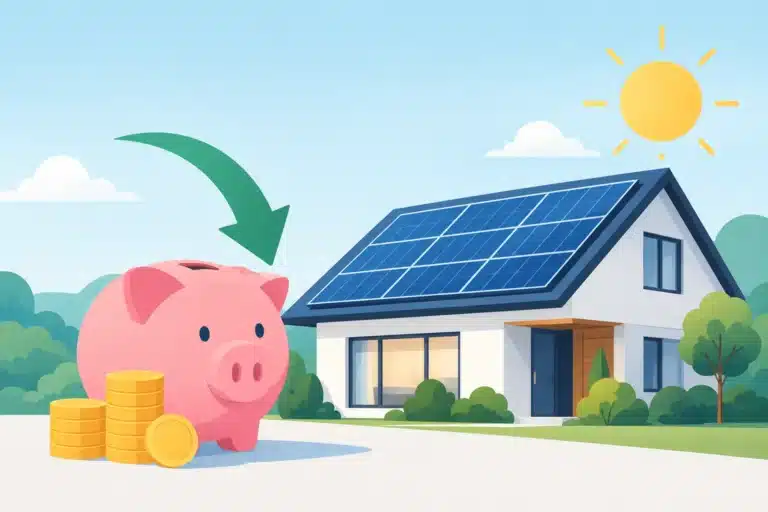
For most homeowners, solar panels are the first upgrade worth pricing. A properly sized solar system turns available roof space into daytime electricity for the appliances you already use. That can include refrigeration, cooking, laundry, pool pumps, home-office equipment, air conditioning, and hot water.
Solar performs best when a household can use a meaningful share of its generation during the day. Families with someone at home, people working remotely, and homes that can run appliances on timers often see a stronger benefit from solar self-consumption. Even if you are away during working hours, solar can still reduce bills through exported power, although export rates are typically lower than the price paid for grid electricity.
System size should not be chosen by roof space alone. Your annual consumption, daytime load, future plans, roof orientation, shading, and local incentives all affect the right design. If you expect to add an electric vehicle, heat-pump water heater, or reverse-cycle air conditioning, allow for that future demand now. Installing a system that is too small can leave savings on the table, while an oversized system may take longer to justify if most generation is exported.
Solar batteries: more control over your solar power
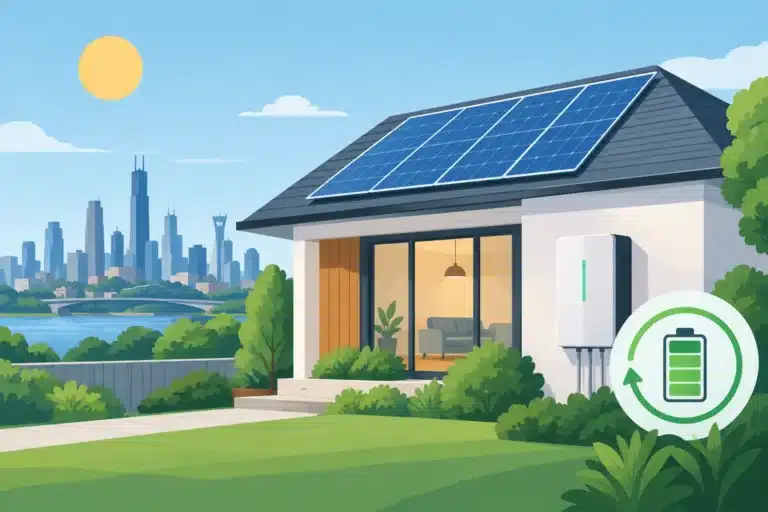
A solar battery stores excess daytime generation so it can be used after sunset, when household demand and grid rates can rise. For homes with solar already installed, battery storage can reduce grid reliance and give you more control over when you buy electricity. Some battery systems can also provide backup power during an outage, but backup capability is not automatic. It depends on the battery model, inverter setup, switchboard requirements, and the circuits selected for backup.
Batteries are most compelling for households that use considerable energy in the evening, have time-of-use electricity pricing, or value backup power. They are not always the fastest payback upgrade. If your daytime solar generation is limited or your power use is already low, improving hot water or heating efficiency may produce better early savings. A site-specific quote should show expected solar production, usage assumptions, battery capacity, and the practical limits of backup power.
Heat-pump hot water: a major opportunity hiding in plain sight
Water heating can be one of the largest energy loads in a home. Traditional electric resistance tanks make heat directly from electricity. A heat-pump water heater works differently: it draws heat from the surrounding air and transfers it into the water. That makes it far more efficient in suitable conditions.
This is one of the most practical upgrades for households moving away from gas or replacing an aging electric tank. When programmed to heat water during sunny hours, a heat pump can use solar power that might otherwise be exported for a low credit. It also reduces the amount of electricity needed to provide the same hot water.
There are trade-offs. Heat pumps need an appropriate installation location, can produce some operating noise, and need enough capacity for the household’s hot-water habits. A large family with back-to-back showers needs a correctly sized tank and recovery rate. Installation quality matters too, including plumbing, electrical work, drainage, and controls.
High-efficiency heating and cooling
Older ducted heating, wall furnaces, and inefficient air conditioners can consume more energy than homeowners realize. Reverse-cycle air conditioning, often called a heat pump, can provide both cooling and electric heating from the same system. It can be an effective replacement or supplement for older equipment, especially when rooms are zoned and temperatures are managed sensibly.
The lowest-cost option is not always the value option. Correct sizing is essential. An oversized unit can cycle too frequently, while an undersized unit may run continuously and struggle to maintain comfort. Room layout, insulation, window exposure, ceiling height, and the number of occupants should all shape the recommendation.
For homes with solar, daytime cooling can be especially attractive because the system can use electricity while panels are producing. In winter, efficient reverse-cycle heating can also reduce reliance on gas, though results depend on climate, the building envelope, and electricity rates.
How to Choose the Best Home Energy Upgrades First
Before committing to equipment, look at your utility bills over a full year. Identify how much electricity you use, when you use it, whether gas is still part of the household, and which appliances are nearing replacement. This gives you a better starting point than choosing products based on advertised capacity alone.
A practical upgrade path often follows this order: reduce obvious waste, install solar where it suits the property, replace major end-of-life appliances with efficient electric alternatives, then consider battery storage. Small improvements such as sealing drafts, improving insulation, using smart timers, and replacing failing appliances can support the larger investments. They are not as visible as solar panels, but they can make every heating and cooling upgrade work better.
Government rebates, tax credits, and utility incentives can change the installed cost substantially. Eligibility often depends on location, income, product type, installer credentials, and the existing equipment being replaced. Confirm the current rules before making a decision, and make sure the quoted price clearly separates equipment, installation, permits, electrical upgrades, and any incentives applied.
Do Not Compare Quotes on Price Alone
Competitive pricing matters, but a cheap quote can become expensive if it leaves out essential work or uses equipment without dependable support. Compare the total installed system, not just the headline number. Ask about panel and inverter brands, battery warranty terms, installer certifications, roof mounting, switchboard requirements, monitoring, workmanship coverage, and expected production.
For solar and batteries, independent qualified installers and quality-approved equipment provide reassurance that the system has been designed for long-term performance. For heat pumps and air conditioning, check that the installer has assessed the actual space and household demand rather than recommending a one-size-fits-all unit.
It also helps to ask what happens after installation. You should know who will manage scheduling, inspections, commissioning, warranty questions, and system handover. Clear advice is part of the value, particularly when solar, battery storage, hot water, and climate control need to work together.
Build a home that uses power smarter
The strongest results come from matching energy use to lower-cost electricity. Run dishwashers, washing machines, and heat-pump hot water during solar-producing hours where possible. Use timers or smart controls to avoid unnecessary peak-period consumption. Keep an eye on your energy monitoring, especially in the first few months, because real household behavior can reveal easy savings.
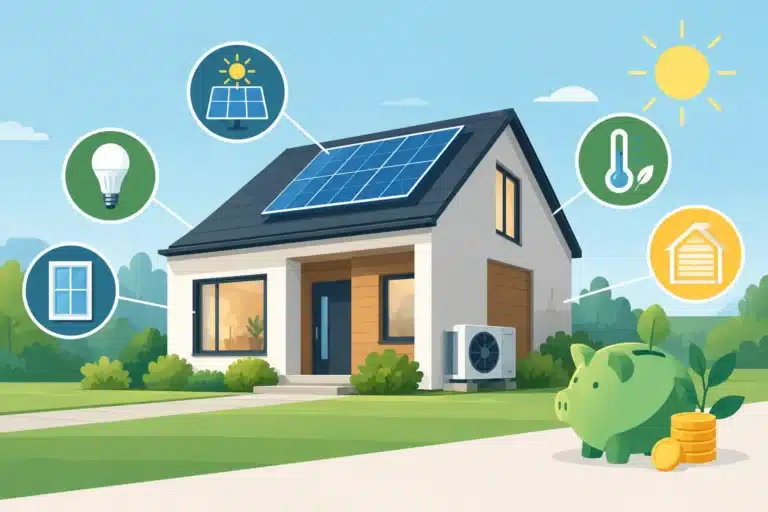
A whole-home plan does not require doing everything at once. Start with the upgrade that solves your largest bill problem or your most urgent replacement need, then leave room for the next step. A well-designed solar system, efficient electric appliances, and professional installation can turn a rising energy bill into a household cost you can actively manage.