A low solar quote can look great until the system is installed poorly, the paperwork is incomplete, or the installer is hard to reach when you need help. Choosing Clean Energy Council certified solar installers, or installers holding the current equivalent accreditation, is one of the most practical ways to protect your home, your rebate eligibility, and the long-term value of your investment.
For Melbourne and Victorian homeowners, solar is not just about putting panels on a roof. It is a major electrical upgrade that should be designed around your energy use, roof layout, switchboard capacity, future battery plans, and the rebates available at the time. The right installation team helps make sure the savings you were promised have a solid foundation.
What Clean Energy Council certified solar installers mean
The term Clean Energy Council certified solar installers is widely used by homeowners searching for qualified solar professionals in Australia. It refers to installers with recognized solar training and credentials, giving customers confidence that the person responsible for key electrical and solar work understands the required standards.
There is one important detail: accreditation arrangements can change over time. The Clean Energy Council has historically been closely associated with solar installer accreditation, while current installer accreditation may be administered through another approved industry body. That does not make credentials less important. It means you should ask who will perform the work, what current accreditation they hold, and whether the proposed system and installation meet the requirements that apply to your rebate or certificate claim.
A reputable provider should answer these questions directly. You should not have to guess whether the person selling the system is connected to the team installing it, or whether your project will be passed through several unknown subcontractors.
Why installer credentials affect more than installation day
Solar panels are built to work for decades. The inverter, battery, mounting equipment, cabling, isolators, and electrical protection all need to work together safely from day one. Good installation is what turns quality equipment into a dependable home energy system.
A properly qualified solar installer assesses more than available roof space. They consider roof orientation and shading, safe access, structural suitability, panel placement, cable routing, inverter location, switchboard conditions, and the connection requirements of your local network. If you are considering a battery later, they should also account for that in the system design rather than leaving you with expensive limitations down the track.
Credentials also matter when problems arise. A system may generate power immediately after commissioning, but workmanship issues can take months to appear. Loose connections, poor water sealing, undersized components, rushed cable runs, or poorly positioned equipment can affect safety, performance, and warranty support. Paying a little more for qualified installation can be far less costly than correcting work that should have been done properly the first time.
Certification, rebates, and your solar paperwork
Victorian solar incentives can make a meaningful difference to the upfront cost of a new system. However, eligibility rules can be specific. They may relate to the equipment selected, installation standards, the credentials of the installer, household circumstances, property ownership, and the timing of your application.
This is where an experienced provider adds real value. They should explain what support may be available based on your situation, what information you need to provide, and which parts of the process must be completed before installation. They should also be clear that rebates and certificate values are subject to government rules, availability, and approval.
Do not treat rebate paperwork as an afterthought. Ask before you sign whether the quoted price includes the expected incentives, whether the quote separates them clearly, and what happens if your eligibility changes. A transparent answer helps you compare quotes fairly and avoids a surprise bill later.
How to check a solar installer before you commit
Credentials are a strong starting point, but they are not the only thing to check. The best choice is a provider that combines qualified installers with clear system design, reliable equipment, written warranties, and responsive service.
Ask who will install the system and whether they hold current accreditation appropriate for the work. Confirm that electrical work will be completed by licensed professionals and that the business has the required insurance. It is also reasonable to ask whether the provider has completed similar installations on homes like yours, especially if you have a steep roof, multiple roof levels, three-phase power, heavy shading, or plans to add a battery.
Review the proposal carefully. It should identify the panel brand and model, inverter brand and model, system size, estimated output assumptions, mounting method, warranty terms, and any known extra costs. A quote that only says “solar package” without product details makes it difficult to compare quality or understand what you are buying.
Finally, pay attention to how the company handles questions. A good solar provider does not pressure you to choose the biggest system or the lowest price. They explain the trade-offs. A larger system may produce more energy, but its value depends on how much electricity you use during daylight hours, your export rate, your future electric appliances, and whether battery storage is part of your plan.
Questions worth asking before installation
Before accepting a quote, get clear answers to the following points:
- Who is responsible for the site inspection, design, installation, and after-sales support?
- What current solar and electrical credentials will the installation team hold?
- Are the panels, inverter, mounting components, and battery equipment covered by manufacturer warranties?
- What assumptions are used in the estimated savings and generation figures?
- Will my switchboard need upgrades, and are those costs included in writing?
- Can the system be expanded later for a battery, electric heat pump, or electric vehicle charging?
These questions are not about making the process difficult. They help you identify a business that has planned your system properly. Straight answers are usually a better sign than an unusually cheap quote with vague inclusions.
A lower price should not mean lower standards
Price matters. For many families, it is the deciding factor that turns solar from a future idea into a practical home upgrade. But the lowest advertised number is only a good deal if the system is correctly sized, safely installed, and supported after the final payment.
Look for value across the complete project: quality components, qualified independent installers, clear warranty coverage, accurate rebate guidance, and a design that matches your household. For example, a family using power mainly in the evening may benefit from a battery-ready solar design, while a household that runs air conditioning, pool equipment, or a heat pump during the day may prioritize daytime generation. There is no single right system size for every property.
Sol Excel works with independent qualified installers and focuses on practical system recommendations for Victorian households. That approach matters because a solar quote should be based on your roof and energy goals, not a one-size-fits-all package.
Why local experience matters in Victoria
Melbourne homes present a wide range of solar conditions. Roofs can be shaded by neighboring properties or mature trees. Older homes may have switchboards that need attention. Weather exposure, roof material, and local network requirements can also shape the final design.
A local provider familiar with these conditions is more likely to identify issues before installation day. That can prevent delays, unexpected variations, and compromises in system placement. It also gives you a clearer path for support if you later add a battery, replace an aging hot water system with a heat pump, or electrify more of your home.
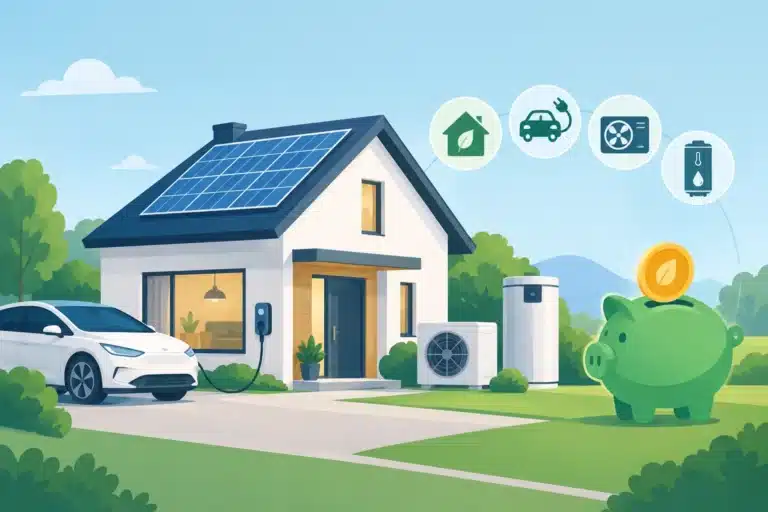
Solar is most valuable when it is part of a broader plan to reduce grid use. Panels can lower the cost of daytime electricity. Battery storage can help you use more of what you generate. Efficient electric heating, cooling, and hot water can move more household energy use onto your solar production. Starting with a well-designed, professionally installed solar system keeps those options open.
The right installer will not simply promise savings. They will show you what is included, explain the conditions behind the estimate, and give you confidence that your roof, wiring, rebates, and future energy plans have all been considered before work begins.