A hot water system can be one of the larger energy users in a home, particularly for families with several showers, laundry loads, and dishes every day. That is why heat pump hot water running costs matter more than the sticker price alone. A well-sized heat pump can use far less electricity than a conventional electric storage tank, and the savings can be stronger again when it runs on solar power.
For Melbourne and Victorian homeowners, the useful question is not whether a heat pump uses electricity. It does. The question is how much electricity it needs to produce the hot water your household actually uses, when it draws that power, and what you pay for each kilowatt-hour.
What does a heat pump cost to run?
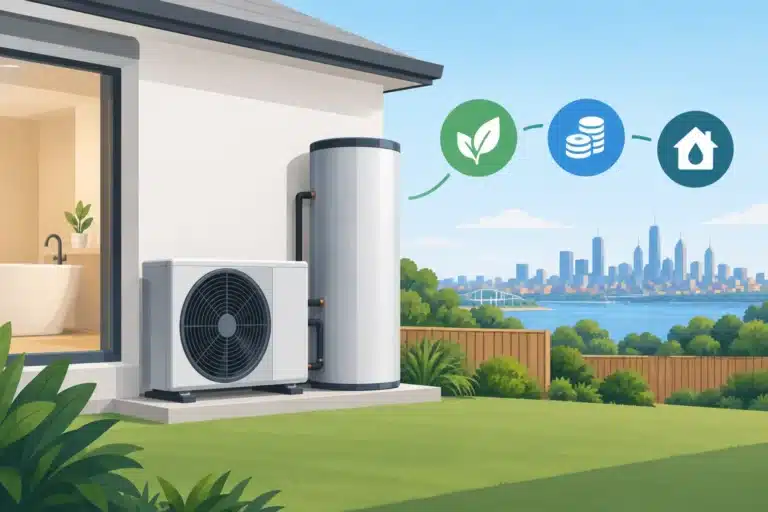
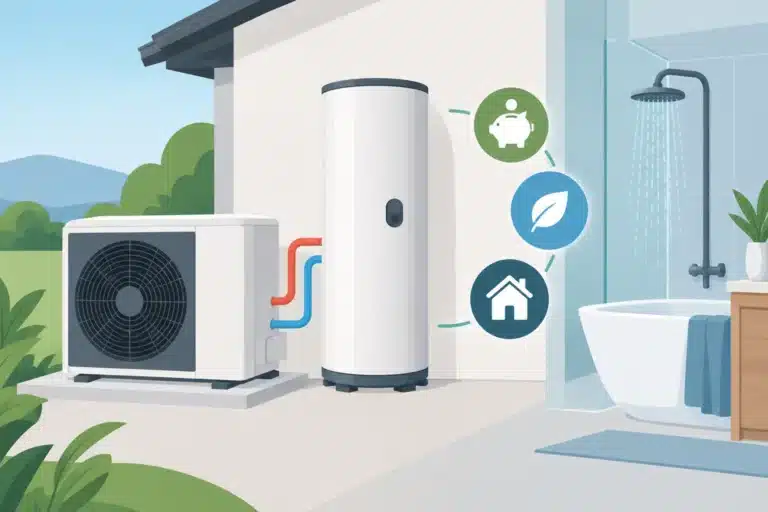
A heat pump hot water system does not create heat in the same direct way as an electric resistance element. It draws warmth from the surrounding air and transfers it into the water tank. Think of it as working on a similar principle to an air conditioner, but in reverse.
Because it moves heat rather than making all of it from electricity, a quality system may use roughly one-third to one-quarter of the energy of a standard electric hot water unit. Actual results vary, but many households can expect a heat pump to consume around 2 to 5 kWh per day, depending on tank size, weather, household demand, settings, and system efficiency.
At an electricity rate of 30 cents per kWh, that equates to approximately 60 cents to $1.50 a day, or about $220 to $550 a year. If your home uses substantial hot water, your running cost may be higher. If you have solar and schedule the system to heat water during the middle of the day, the amount you buy from the grid can be much lower.
Those figures are a planning guide, not a promise. The right estimate should be based on your household size, current energy plan, roof solar output, and hot water habits.
Why heat pump hot water running costs vary
Two neighboring homes can install similar heat pumps and see very different bills. The system is only one part of the equation.
Your household’s hot water use
A couple taking short showers may use a fraction of the hot water required by a family of five. Long showers, rain-style showerheads, frequent baths, dishwasher cycles, and high-temperature laundry all increase demand. When a tank must recover more often, it uses more energy.
Tank size matters here. An undersized system can run more frequently and may rely on its backup electric element during periods of heavy use. An oversized tank is not always the best answer either, as it costs more upfront and has more stored water to maintain. A site-specific recommendation is worth far more than choosing a tank based on the lowest advertised price.
Melbourne weather and installation location
Heat pumps work in cool conditions, but cooler air generally means the unit has to work harder to collect heat. Melbourne winters can therefore raise consumption compared with mild summer weather. This does not cancel out the efficiency benefit, but it is a reason to avoid overly optimistic, one-size-fits-all savings claims.
Where the unit is installed also counts. It needs sufficient airflow around it. A cramped enclosure, poor ventilation, or a location prone to recirculating cold discharge air can reduce performance. Qualified installation is not just about getting the system connected safely. It helps protect the performance you are paying for.
Electricity rates and controlled-load tariffs
Your electricity tariff can change the annual result substantially. A household on a high flat rate may benefit immediately from lower consumption. A household on time-of-use pricing needs to consider when the unit runs, because electricity can cost more during evening peak periods.
Some homes have access to controlled-load hot water tariffs. These can be cheaper than general usage rates, but the available operating window may be limited. Whether controlled load is the right choice depends on the heat pump model, your hot water requirements, and the tariff options available at your address.
A good installer or energy adviser should discuss this before installation rather than assuming one tariff suits every household.
Temperature settings and hygiene cycles
Higher water temperatures use more energy because the heat pump has more work to do. However, hot water systems also need to meet hygiene requirements. Many systems run a periodic high-temperature cycle to manage Legionella risk, often using a booster element if needed.
Do not lower temperature settings blindly to chase a smaller bill. Follow the manufacturer’s guidance and local plumbing requirements. The smarter approach is to choose an efficient system, size it correctly, and schedule ordinary heating for lower-cost times.
Solar can reduce hot water costs further
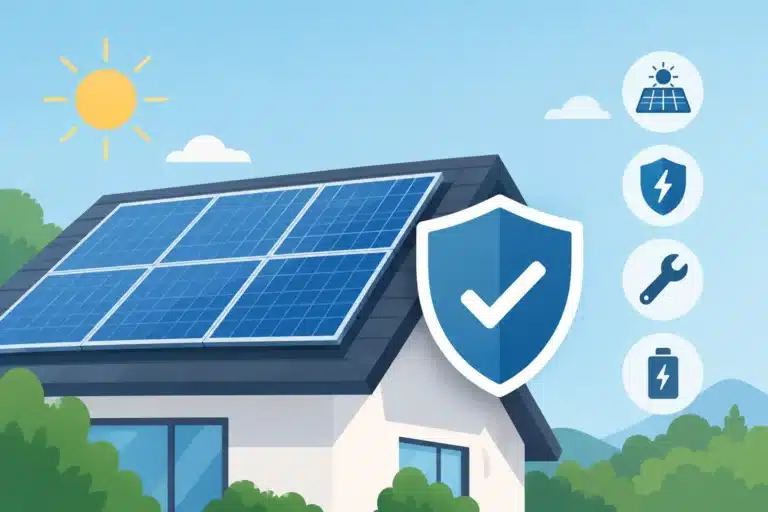
A heat pump pairs well with rooftop solar because hot water is a form of energy storage. Instead of exporting all surplus solar electricity for a lower feed-in credit, you can use some of that generation to heat water for use later that day or the next morning.
For many solar households, the best operating window is late morning through mid-afternoon, when panels are producing strongly. Some heat pumps have built-in timers, solar modes, or controls that make daytime operation easier. In other cases, a correctly configured timer can do the job.
This is not a reason to run the system constantly through daylight hours. The goal is to heat a full tank efficiently at the right time, not to waste power. Your ideal schedule depends on your solar system size, household demand, battery setup, and the way your heat pump manages its heating cycles.
If you have a battery, consider the wider household picture. In some homes, it makes sense to heat water directly from daytime solar before the battery is needed for evening appliances. In others, preserving battery energy for costly peak-time usage may be the better financial choice. There is no universal setting, which is why practical system design matters.
Comparing a heat pump with other hot water systems
A standard electric storage system is usually the simplest comparison. Both store hot water in a tank, but the conventional electric unit heats water directly with an element. That makes it cheaper to buy in some cases, but typically much more expensive to run over time.
Gas storage and instantaneous gas systems can deliver dependable hot water, yet their ongoing cost depends on gas prices, supply charges, and household use. As homes add solar, batteries, and efficient electric appliances, many owners prefer to reduce their reliance on gas altogether. A heat pump can be an effective part of that move, especially when replacing an aging electric tank or gas storage unit.
The trade-off is that heat pumps have more components than a basic electric tank. Product quality, warranty terms, noise level, installation location, and access for servicing should be part of the decision. The cheapest quote is not necessarily the lowest-cost system over the next 10 years.
Practical ways to keep costs low
Start with the right capacity. A system selected for your household’s real demand will avoid unnecessary reheating while giving you enough hot water when you need it. Then use timer or solar controls to favor daytime generation or lower-cost tariff periods where practical.
Small changes inside the home can help too. Efficient showerheads reduce hot water use without making showers feel weak, and repairing a dripping hot tap prevents steady heat loss. If your system has vacation mode, use it when the house will be empty for an extended period.
Also check the manufacturer’s recommended maintenance requirements. Keeping air intakes clear, allowing adequate airflow, and addressing unusual noises or error codes early can help maintain efficient operation. Heat pumps are designed to save energy, but like any major appliance, they need a professional installation and sensible care.
Upfront price, rebates, and real value
Running cost is only one side of the calculation. Installed pricing, available Victorian rebates or incentives, electrical work, plumbing changes, and the removal of an old system all affect the upfront investment. Eligibility rules and incentive amounts can change, so they should be confirmed before you commit.
The value case becomes clearer when you look at total ownership cost: purchase and installation, expected electricity use, solar self-consumption, warranty coverage, and likely lifespan. A lower running cost every day can add up, but only if the unit is properly matched to the home and installed by qualified professionals.
Sol Excel helps Victorian homeowners assess electrification upgrades around the way their homes actually use energy. That means considering hot water alongside solar generation, battery storage, tariffs, and your family’s daily routine – not selling a tank in isolation.
A heat pump will not make hot water free, and no honest provider should suggest otherwise. But with a suitable system, sensible settings, and daytime solar where available, it can turn an unavoidable household expense into a much smaller one. Before replacing a failing unit in a hurry, take a moment to compare the long-term bill, the available rebates, and the installation quality behind the quote.