A hot-water system can be one of the quietest drains on a household budget. It works every day, often when solar production is low, and many older electric or gas units waste far more energy than homeowners realize. Heat pumps offer a practical alternative: efficient electric technology that can reduce hot-water running costs while helping move your home away from gas.
For Melbourne and Victorian households looking at solar, batteries, or all-electric appliances, heat pumps are worth considering early. The right system can use a fraction of the electricity of a conventional electric storage tank, and it can be scheduled to make the most of daytime solar generation. The result is not just a newer hot-water unit. It is a home-energy upgrade that can lower bills for years.
How heat pumps make hot water efficiently
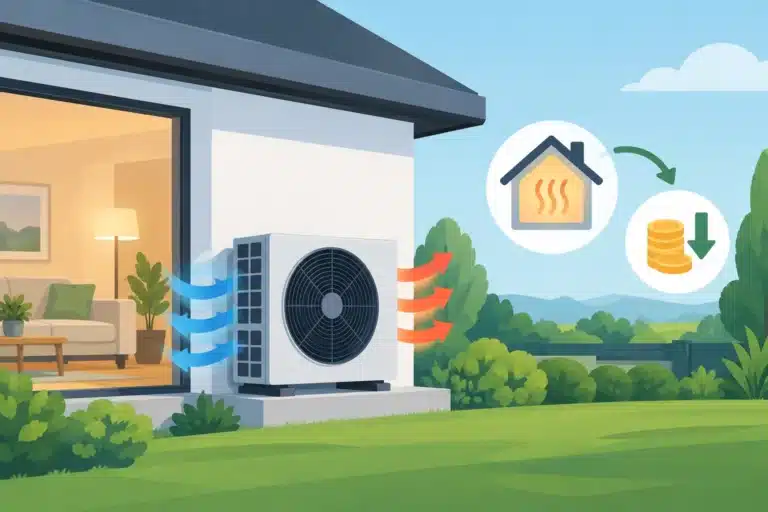
A heat pump does not create heat in the same way as a standard electric element. Instead, it draws warmth from the surrounding air and transfers that heat into water stored in its tank. Think of it as an air conditioner working in reverse for your hot water.
Because it moves heat rather than generating all of it directly, a heat pump can deliver several units of heat for each unit of electricity it uses. Actual performance depends on the model, installation location, weather, household demand, and settings, but the efficiency advantage is substantial compared with a traditional electric resistance system.
Melbourne’s climate is generally well suited to modern heat-pump hot-water systems. Even on cooler days, there is usable heat in the air. Quality units are designed to operate across a wide temperature range, although cold-weather performance and recovery time still vary by model. This is one reason product selection matters more than choosing the lowest upfront price.
Heat pumps do make some operating noise, similar to a small outdoor air-conditioning unit. A professional site assessment should account for where the system will sit, nearby bedrooms, property boundaries, drainage, airflow, and service access. Good installation is not an extra – it is a major part of getting the performance you paid for.
Why heat pumps work well with solar
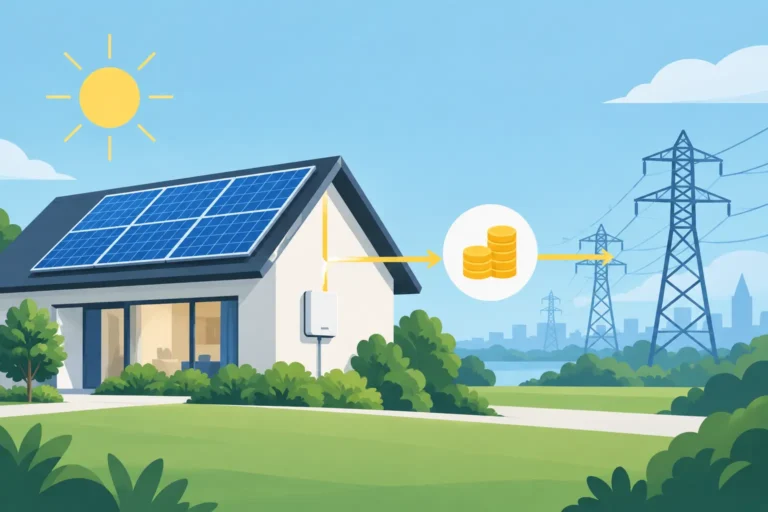
Solar panels produce their strongest output during daylight hours. A heat-pump system can be programmed to heat and store water during that same window, turning surplus solar energy into useful hot water rather than exporting it to the grid at a lower feed-in rate.
That does not mean a solar system is required. A heat pump can still reduce energy use in a home without panels. But homeowners with solar often see the strongest value because they can use more of the electricity they generate themselves.
Timing is the key. If your household uses most of its hot water in the evening or early morning, heating the tank in the middle of the day can leave a full supply ready when your family needs it. In homes with a battery, the design needs more thought. You may prefer solar energy to heat water directly during the day, rather than cycling stored battery energy through the system overnight.
A whole-home plan should look at your solar production, electricity tariff, household size, hot-water habits, and other large loads such as air conditioning, pool equipment, and EV charging. There is no one setting that suits every home.
Choosing the right heat-pump size
An undersized tank can leave a family short on hot water. An oversized system may cost more than necessary and take up valuable space. The right capacity depends on more than the number of people under one roof.
A household of four with short showers and efficient fixtures may use less hot water than a household of two with long showers, frequent baths, and high-temperature washing. Peak demand matters too. If several people shower back-to-back in the morning, the system needs enough stored hot water to cover that period.
As a general starting point, smaller households may suit a more compact tank, while families often need a larger storage capacity. Your installer should calculate this based on your real usage, not simply recommend the largest unit available. It is also worth asking how quickly the model recovers after a high-demand period and whether it has a backup electric element for occasional support.
Questions to ask before you buy
A clear quote should explain the system capacity, expected operating approach, warranty terms, and installation scope. Ask whether the price includes removal of your old unit, electrical work, valves, pipe upgrades, a concrete base or wall bracket where needed, and any required switchboard changes.
You should also ask where the unit will be installed and how that location affects noise, airflow, and access for future servicing. A cheap quote can become expensive if the installation excludes essential work. Transparent pricing matters because hot-water replacements are often time-sensitive, especially when an existing system has failed.
Upfront cost, rebates, and long-term value
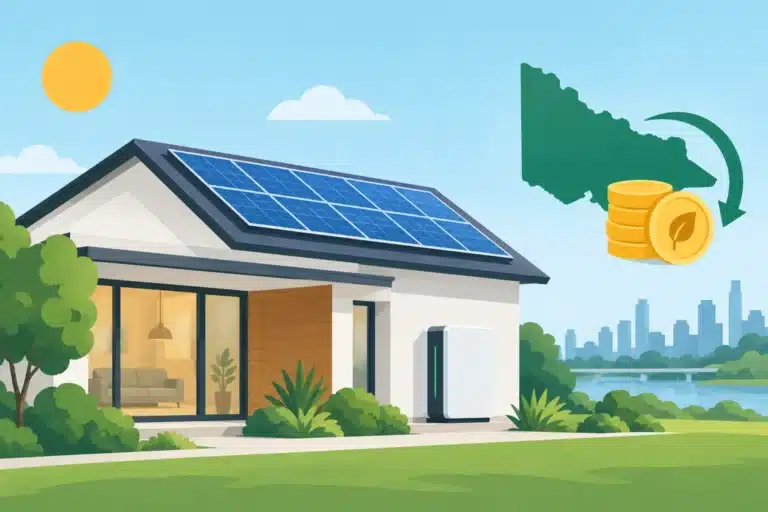
The installed price of a heat pump varies with tank size, brand, site conditions, electrical requirements, plumbing changes, and available incentives. Rebates can make a meaningful difference to the upfront cost for eligible Victorian households, but eligibility rules and funding levels can change. It is sensible to confirm what applies to your property before committing.
The best buying decision is not always the lowest advertised price. Consider the total picture: energy use, warranty length, installer qualifications, after-sales support, noise rating, available service, and how well the system fits your household. A lower-quality unit that struggles to meet demand or has limited local support can cost more in frustration and replacement expense.
At Sol Excel, the focus is on practical home-energy upgrades that make financial sense. That means matching homeowners with dependable equipment, qualified independent installers, and advice that considers solar, battery storage, and electrified appliances together. Price matters, but so does knowing the system has been properly selected and installed.
Heat-pump hot water versus other options
Gas continuous-flow systems are compact and can provide hot water on demand, but they keep a home connected to gas and expose households to ongoing gas pricing. Conventional electric storage systems are usually straightforward to install, yet they consume more electricity because they heat water directly.
Heat pumps require more space than a continuous-flow gas unit and can have a higher purchase price than a basic electric tank. They also need suitable airflow and thoughtful placement. In return, they can dramatically reduce the electricity required for hot water and support a move toward an all-electric home.
For some properties, a different option may be more suitable. Apartments with limited outdoor space, homes with difficult access, or properties with unusual hot-water demand need a site-specific assessment. A reputable provider will explain the trade-offs rather than force every household into the same product.
Getting the installation right
Installation quality affects safety, reliability, and efficiency. Your installer should check the existing plumbing, electrical supply, drainage path, safe clearances, mounting surface, and access before work begins. If you are replacing a gas system, the scope may also include safely disconnecting and capping the old gas connection.
Choose an experienced, appropriately licensed installation team and make sure warranty responsibilities are clear. Equipment warranties and workmanship warranties are not the same thing. Knowing who to contact if an issue arises can save time later.
After installation, ask for a simple walkthrough. You should understand the control settings, recommended operating schedule, what normal sounds to expect, and what maintenance is required. Most systems need little day-to-day attention, but keeping airflow clear and following the manufacturer’s service guidance protects performance.
A heat pump is most valuable when it is treated as part of your home’s energy plan, not a standalone purchase. Start with your household’s hot-water needs, check available rebates, and choose a system that can work alongside your solar production. A properly sized, professionally installed unit can turn a necessary daily expense into one more way your home works harder to lower its bills.