A failing water heater, an aging furnace, and rising power bills can turn into one expensive year. Home electrification rebates can make that upgrade cycle far more manageable by reducing the upfront cost of efficient electric equipment. The key is to plan before you purchase. Many incentives have equipment rules, income limits, approved-installer requirements, or application deadlines that can affect what you receive.
For homeowners, electrification is not about replacing every appliance at once. It is about choosing the upgrades that make the biggest difference to your comfort, energy use, and monthly bills – then claiming every incentive you qualify for.
How Home Electrification Rebates Work
A rebate is usually a direct discount, a payment after installation, or an amount your installer deducts from the project price. It is different from a tax credit. A tax credit can reduce the federal income tax you owe, while a rebate reduces the purchase or installation cost of eligible equipment.
Programs can come from federal, state, city, utility, and local energy-efficiency agencies. In many areas, these offers can be combined. That is why two households buying the same heat pump may end up with very different out-of-pocket costs.
There is no single rebate amount that applies everywhere. Availability depends on your address, household income, existing equipment, electrical setup, and the product you choose. Funding can also be limited. If a program operates until its annual budget is used, waiting until peak installation season may cost you access to a valuable incentive.
A reliable quote should separate the equipment price, installation cost, available rebates, estimated tax incentives, and final customer price. If those numbers are bundled into one vague “special offer,” ask for a clearer breakdown before approving the work.
Which Upgrades May Qualify?
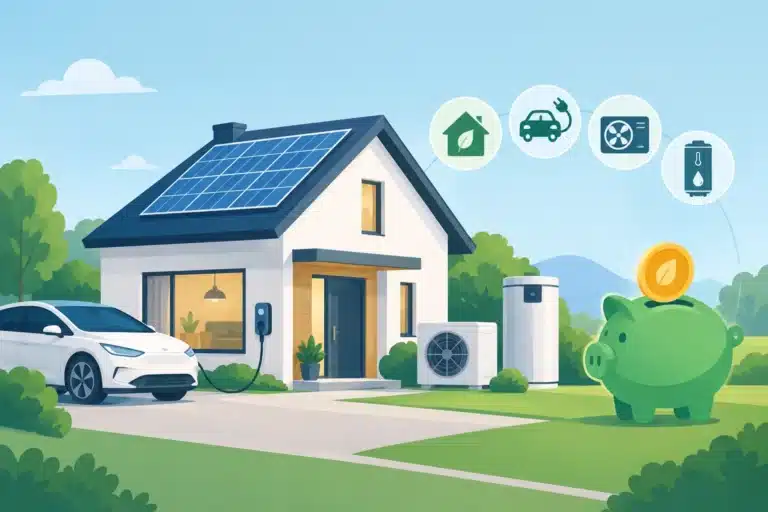
The strongest rebate opportunities are generally tied to equipment that replaces fossil-fuel use or cuts household electricity demand. That can include heat-pump water heaters, heat-pump heating and cooling systems, electrical panel upgrades, insulation and air sealing, induction cooking, solar panels, and battery storage.
Heat-pump water heaters
Water heating is often one of the largest energy costs in a home. A heat-pump water heater moves heat rather than creating it through a traditional electric resistance element. It can use substantially less electricity, particularly when installed in a garage, basement, utility room, or other location with enough surrounding air.
The trade-off is that these units need space, produce some noise, and may cool the room around them. They also need proper condensate drainage. A low sticker price is not always the best value if the installation location is unsuitable.
Heat-pump heating and cooling
Replacing a gas furnace, older air conditioner, or inefficient electric heating with a high-efficiency heat pump can improve year-round comfort. A properly sized system provides both heating and cooling, and available rebates can make it a more realistic alternative when existing equipment reaches the end of its life.
Sizing matters more than marketing claims. An oversized unit can short-cycle, while an undersized unit may struggle during temperature extremes. A contractor should assess insulation, window performance, ductwork, room layout, and the local climate before recommending capacity.
Solar and battery storage
Solar panels reduce the amount of electricity you need to purchase from the grid during daylight hours. A battery can store some of that generation for evening use, provide backup capability when designed for it, and help households use more of the energy they produce.
Solar incentives, credits, and net-metering rules vary significantly by location. Battery rebates can be especially limited or targeted toward customers in specific utility territories. Do not assume a battery pays for itself quickly in every situation. Its value depends on your usage pattern, electricity rates, solar production, backup needs, and local incentive level.
Electrical upgrades and weatherization
A modern all-electric home may need a larger panel, added circuits, or service upgrades. Some programs recognize that electrical work is necessary to install efficient equipment and may offer support for it. Improving insulation and sealing air leaks can also make a smaller, more affordable heat pump possible.
That is why the best electrification plan looks at the house as a system. Efficient equipment works harder than it should when conditioned air escapes through an under-insulated attic or leaky ductwork.
Check Eligibility Before You Sign
Rebates are valuable only when you meet the program rules. A product may be highly efficient but still fail to qualify because it does not meet a required efficiency rating, is not on an approved list, or was installed before the application was filed.
Before accepting a quote, confirm whether the program requires pre-approval. Some incentives let you apply after installation, while others require approval before any work begins. Also check whether the rebate applies to primary residences only, whether new construction is excluded, and whether your household income affects the amount available.
Keep a file with the documents you may need:
- An itemized proposal showing model numbers, labor, electrical work, and final price
- Product specification sheets and efficiency ratings
- Proof of purchase and paid invoices
- Installation date, permit records, and inspection paperwork when required
- Photos, utility account details, and proof of residence if the program requests them
A professional installer should be comfortable explaining which paperwork they provide and which steps remain your responsibility. They should not promise a rebate without confirming the program terms for your address and equipment.
Build the Right Upgrade Order
The best order depends on the home. If your furnace or water heater is near failure, replacement timing may decide the project. If both are working, a planned approach gives you more control over rebates, electrical needs, and installation schedules.
Start with your biggest energy costs. Review a full year of utility bills, not just one high-bill month. Look for heavy cooling use, electric resistance heating, costly water heating, or large evening electricity demand. This identifies where efficient equipment or solar generation can make the strongest impact.
Next, consider electrical capacity. A home can often add a heat pump, induction range, or heat-pump water heater without a full panel replacement, but that should be verified, not guessed. Load calculations help determine whether upgrades can be phased or should be completed together.
Then consider solar. Installing solar before or alongside new electric appliances can help offset the additional electric load. On the other hand, a homeowner with an older roof may be better served by completing roofing work before panel installation. The lowest upfront price is not always the lowest long-term cost when work must be removed and redone later.
Avoid the Common Rebate Mistakes
The most expensive mistake is buying first and researching later. A retailer promotion or contractor discount may look attractive, but it does not replace a program-specific eligibility check. Confirm the model number, installer requirements, and application sequence in writing.
Another mistake is comparing quotes only by the advertised rebate amount. A larger rebate does not automatically mean a better project. Compare the actual installed price, equipment warranty, labor warranty, system design, installer qualifications, and expected operating cost. A poorly designed system can waste the savings you worked to secure.
Be cautious with savings claims that treat incentives as guaranteed cash. Some programs are income-based, some have funding caps, and tax credits depend on your tax situation. A trusted tax professional can help with tax-credit questions, while an experienced installer can verify product and installation requirements.
Finally, do not overlook comfort and reliability. A heat pump that is correctly designed, a battery that matches your backup priorities, and solar sized around your actual usage can improve daily life as well as reduce bills. That is the value of planning the complete project instead of chasing the biggest advertised rebate.
Get a Quote That Makes the Numbers Clear
A useful electrification quote should make it easy to see what you are buying and why. It should identify the proposed equipment, projected energy benefits, installation scope, warranties, electrical work, available incentives, and the price you pay after confirmed rebates.
Ask whether the contractor uses qualified installers, obtains required permits, and supports you if the rebate administrator asks for additional documents. Price matters, but workmanship and accountability matter after the install date too.
Before your next appliance replacement becomes an emergency purchase, take time to assess your home, confirm current incentives, and compare an itemized proposal. A well-timed electric upgrade can turn a necessary expense into lower operating costs and more dependable comfort for years ahead.