A solar quote can look attractive on paper, then become confusing once system sizes, panel brands, inverter options, rebates, and installation details enter the conversation. For Melbourne homeowners, solar panels are not simply a roof upgrade. They are a long-term decision about how much electricity your home can generate, use, store, and avoid buying from the grid.
The right system should be built around your household, your roof, and your energy goals – not around a one-size-fits-all package. A well-designed solar system can cut daytime power costs for years. A poorly matched one can leave savings on the table, even if the upfront price looked low.
Start With Your Electricity Use, Not the Panel Count
The first question is not, “How many panels can fit on my roof?” It is, “When and how does my household use electricity?” Your past electricity bills provide a useful starting point. Look at total usage across a full year, then consider what may change soon.
A family adding an electric vehicle, heat pump hot water system, reverse-cycle air conditioning, or induction cooking will likely use more electricity than it does today. Designing only for current usage may make a smaller system seem cheaper, but it can limit the value of future electrification.
For many Victorian homes, a 6.6kW system is a practical entry point. Larger homes, households with high daytime use, or properties planning to move more appliances off gas may benefit from systems in the 8kW to 13.2kW range. The best size depends on available roof space, orientation, shading, household demand, and local network requirements.
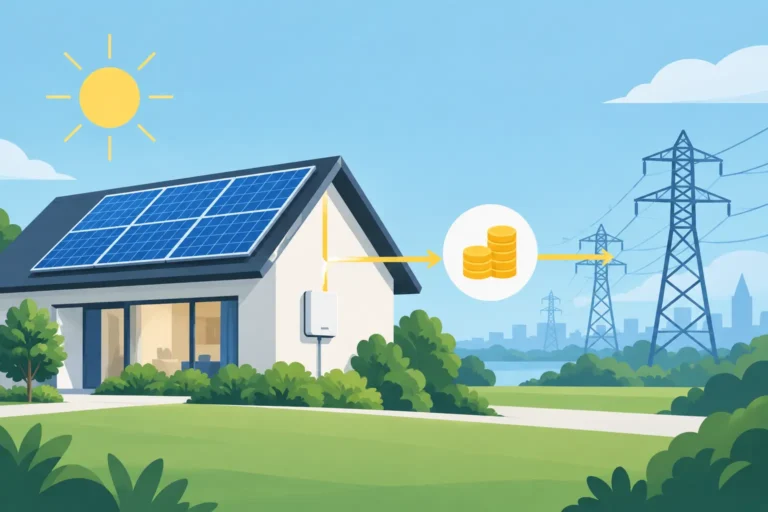
Generating more power is useful, but only when the system is suited to how you use it. Electricity consumed directly in the home is generally more valuable than electricity exported to the grid. That is why daytime loads matter. Running a pool pump, dishwasher, washing machine, or hot water system while the sun is producing power can improve the return from your system.
What Makes Solar Panels Perform Well
Panel quality matters, but it is only one part of the result. Solar panels need a capable inverter, sensible system design, quality mounting equipment, and professional installation to perform reliably over time.
Your roof’s direction and pitch affect production. North-facing roof space usually delivers strong all-day generation in Melbourne, while east- and west-facing panels can be highly useful for homes that use more power in the morning and late afternoon. A mix of orientations may make more sense than placing every panel on one roof face.
Shade deserves a close look. Trees, chimneys, neighboring buildings, antennas, and roof features can reduce output at different times of day. Small areas of shade can have a larger effect than homeowners expect, particularly if the array has not been designed to account for it. A site assessment should identify these issues before installation, not after the system is switched on.
The inverter converts the DC electricity produced by your panels into AC electricity your home can use. It is central to the system’s performance and monitoring. Choosing equipment with an appropriate warranty, proven compatibility, and a support pathway in Australia is often more valuable than choosing based on a headline specification alone.
Solar Panels and Batteries Solve Different Problems
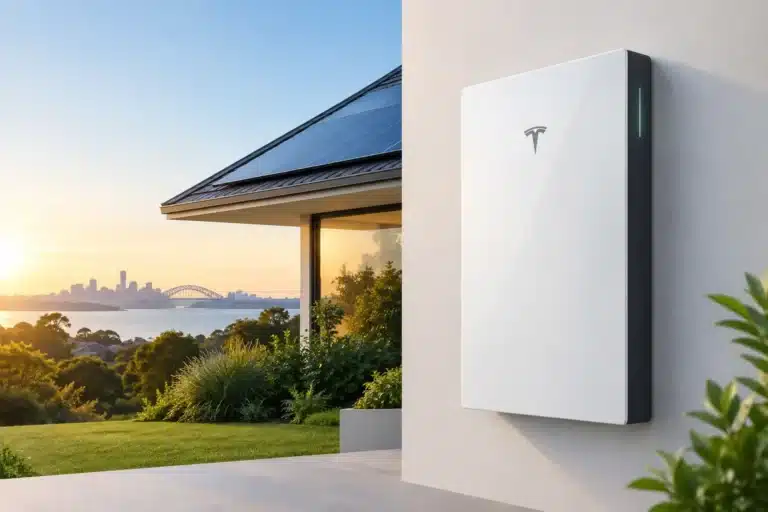
Solar panels produce electricity during daylight hours. A battery stores excess energy for use later, including during the evening when many households use the most power. They work well together, but a battery is not automatically the right first step for every home.
If your household is empty during the day and electricity use peaks after sunset, battery storage may help you use more of the solar energy you generate. It can also offer backup capability when paired with equipment designed for that purpose. However, backup features vary by product and installation design. Not every battery will power every circuit during an outage, and not every battery system includes backup as standard.
For some homeowners, installing solar first and adding a battery later is a sensible path. For others, particularly those with high evening consumption or a strong interest in energy independence, a combined system may offer better value from day one. The decision should be based on your bills, habits, future plans, and budget rather than pressure to buy every product at once.
A battery can also make more sense when it supports a broader efficient-electric home. Solar generation paired with a heat pump, energy-efficient air conditioning, and smart appliance scheduling can reduce reliance on expensive grid electricity across more of the day.
Compare Installed Value, Not Just the Lowest Quote
Price matters. It should. But two quotes with the same system size can represent very different outcomes. The lowest advertised figure may exclude site-specific requirements, use lower-grade components, provide limited support, or leave important questions unanswered.
Ask what is included in the installed price. Confirm the panel and inverter brands, system capacity, estimated production, warranty terms, monitoring access, mounting hardware, electrical work, approvals, and any likely extras. If your roof has multiple levels, difficult access, tile replacement needs, switchboard upgrades, or shading challenges, these should be discussed clearly before you proceed.
Installer quality is equally important. Solar is a fixed electrical installation that needs to perform safely in changing weather for decades. Work with a provider that uses qualified, independent installers and can explain who is responsible if you need assistance after installation. Clean Energy Council accreditation, compliant equipment, and clear workmanship warranties are practical signs that should not be treated as optional.
At Sol Excel, the focus is on matching competitive pricing with properly designed systems, qualified installation coordination, and dependable product warranties. A price-match promise only helps when you are comparing like for like: equivalent system size, equipment quality, installation scope, and after-sales support.
Rebates Can Change the Upfront Cost
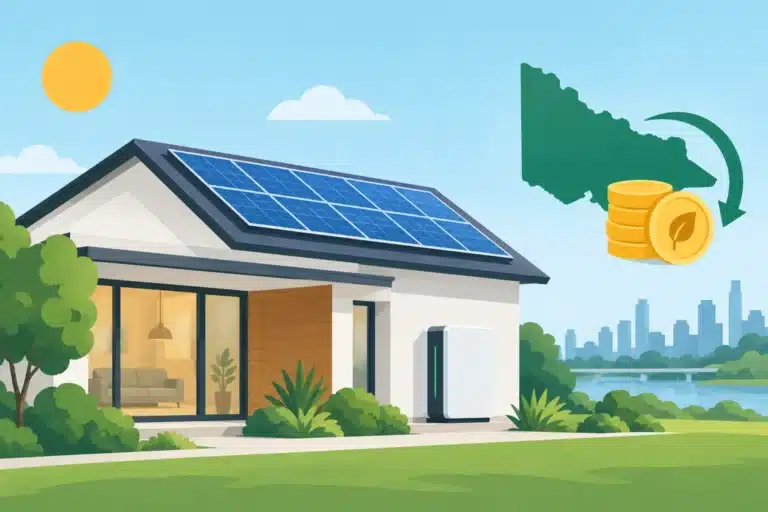
Government incentives can make solar more accessible, but eligibility and available support can change. Victorian homeowners may be able to access programs or financing options that reduce the upfront cost of eligible solar and battery upgrades. The value available to your home can depend on the property, household circumstances, chosen system, and current program rules.
Treat rebate information as part of the quote conversation, not an assumption. A reliable provider should explain what may apply, what documentation is required, and whether the quoted price already accounts for available incentives. Clear answers help you compare real out-of-pocket costs rather than promotional figures that may not apply to your situation.
It is also worth considering the timing of other upgrades. If you plan to replace an old gas hot water unit or aging air conditioner soon, coordinating those decisions with your solar design can create a more efficient household energy plan. The goal is not to buy equipment for its own sake. It is to direct more of your solar production toward appliances that reduce ongoing utility costs.
Get More From Your System After Installation
Installation day is the beginning, not the finish line. Most modern systems provide monitoring through an app or portal, allowing you to see generation patterns and household consumption. Checking this data in the first few months can reveal simple opportunities to shift energy use into solar-producing hours.
Set timers for suitable appliances, schedule hot water heating during the day where possible, and use cooling or heating strategically before the evening peak. Small changes can improve self-consumption without making family life inconvenient.
Your panels will also need basic care. In many homes, rainfall removes ordinary dust, but heavy debris, bird droppings, or nearby construction dust may warrant attention. Do not climb onto the roof unless you are trained and equipped to do so safely. If output appears unusual, use your monitoring data and contact a qualified professional rather than guessing.
A good solar decision gives your household more control without demanding constant attention. Choose a system that suits the way you live now, leaves room for the upgrades you are likely to make next, and is installed by people who will still answer the phone after the panels are on the roof.