A solar quote can look very different before and after solar rebates are applied. For Victorian homeowners, the right incentives can reduce the upfront cost of installing solar panels and make lower power bills achievable sooner. But a rebate is only one part of the decision. Your roof, electricity use, system design, product quality, and installation standards all affect the value you receive over the life of the system.
That is why it pays to look beyond the headline discount. A properly sized, professionally installed solar system can keep producing for decades. A cheap system that is poorly designed for your home can leave savings on the table from day one.
How solar rebates reduce the cost of solar
In Victoria, solar incentives generally work by lowering the upfront amount you pay for an eligible system. Depending on the program and your circumstances, this may include a state-based rebate, access to a loan arrangement, and federal Small-scale Technology Certificates, often called STCs.
STCs are created when eligible small-scale solar systems are installed. Their value is commonly built into a solar quote as an upfront discount, rather than appearing as money paid to you later. The number of certificates available depends largely on system size, location, and the year of installation, so the discount reduces over time as the scheme moves toward its scheduled end.
Victoria has also offered Solar Homes incentives designed to help eligible owner-occupiers install rooftop solar. Program rules, funding availability, income limits, property requirements, and rebate amounts can change. A current eligibility check is far more useful than relying on an old advertisement, a neighbor’s experience, or a figure seen online months ago.
The practical benefit is straightforward: rebates can bring down the initial investment, helping a household reach payback sooner. They do not make electricity free, and they do not replace the need for a good system design. They simply make a strong long-term upgrade more accessible.
Who may be eligible for solar rebates?
Eligibility is not identical for every incentive. State programs usually focus on owner-occupied homes and can include requirements around property value, household income, existing solar ownership, and approved product or installer standards. Federal STC incentives have their own eligibility rules, including requirements for approved equipment and qualified installation.
For most homeowners, the key questions are whether you own and live in the property, whether the home already has a solar system, and whether the proposed installation meets the current program rules. New homes, rental properties, businesses, homes with existing solar, and properties held in trusts may be treated differently.
A reputable provider should explain what is included in your quote and what is conditional on approval. Be cautious with a price that assumes every rebate will apply without first confirming the details. Clear paperwork and realistic figures are better than an attractive number followed by surprises.
The installer and equipment requirements matter
Government incentives are tied to standards for a reason. To claim available incentives, systems generally need to use approved components and be installed by appropriately accredited professionals. This protects homeowners from poor workmanship, unsafe electrical work, and systems that fail to perform as promised.
When comparing quotes, ask whether the panels, inverter, mounting equipment, and installer qualifications meet current requirements. Also ask who will coordinate the installation, what warranties apply, and who you call if there is a problem after commissioning.
At Sol Excel, systems are coordinated with Clean Energy Council-certified independent installers and backed by product warranties from established manufacturers. That combination matters because a solar system is not a simple retail purchase. It is an electrical asset connected to your roof and your home’s energy supply.
A rebate should not decide your system size
The temptation is to buy the smallest system that qualifies for the biggest advertised discount. That can be a false economy. The best size depends on when and how your household uses electricity.
A family running air conditioning, electric hot water, pool equipment, and daytime appliances may benefit from a larger system than a couple who are away most weekdays. If you are planning a heat pump, an electric vehicle, induction cooking, or a home battery, your future electricity use matters as much as your current bill.
For many Victorian homes, common residential systems range from around 6.6 kW to 13.2 kW. The right capacity depends on usable roof space, shading, roof orientation, switchboard condition, export limits, and your retailer plan. More panels are not automatically better, but undersizing a system can be just as costly when you expect your electricity demand to grow.
A site-specific assessment should consider your interval data or recent bills, the appliances you use, and your plans for the home. That approach creates a system designed around savings, not just eligibility.
Solar batteries and rebates: check the numbers carefully
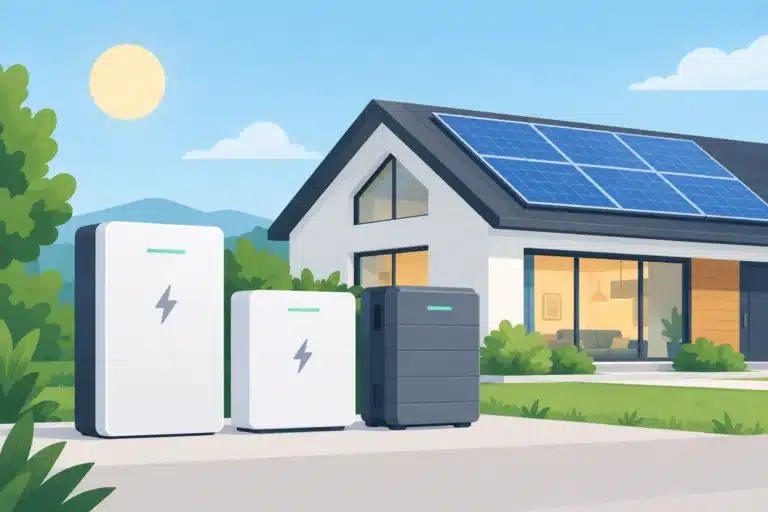
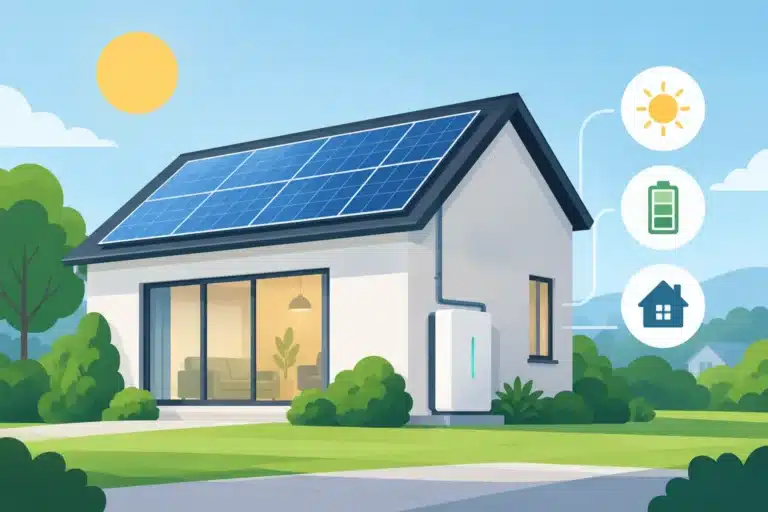
A solar battery can store daytime generation for use after sunset, during expensive peak periods, or when solar production drops. It can increase self-consumption and reduce reliance on the grid, particularly for households with high evening usage.
However, battery economics are different from solar panel economics. Batteries cost more upfront, their available incentives may be limited or change quickly, and their value depends heavily on your usage pattern and electricity tariff. A household that exports large amounts of solar at low feed-in rates may see a stronger case for storage than a household that uses most of its solar power during the day.
There is no one-size-fits-all answer. Some homeowners install solar now with a battery-ready inverter and add storage later. Others choose an integrated solar-and-battery system from the start to increase independence immediately. The right path comes down to budget, goals, backup power requirements, and the savings you can realistically expect.
Avoid the common rebate mistakes
The biggest mistake is treating a rebate as the total value of the project. A $1,000 difference in upfront price can be outweighed by years of lower production, weaker warranty support, or a system that cannot support future electrification.
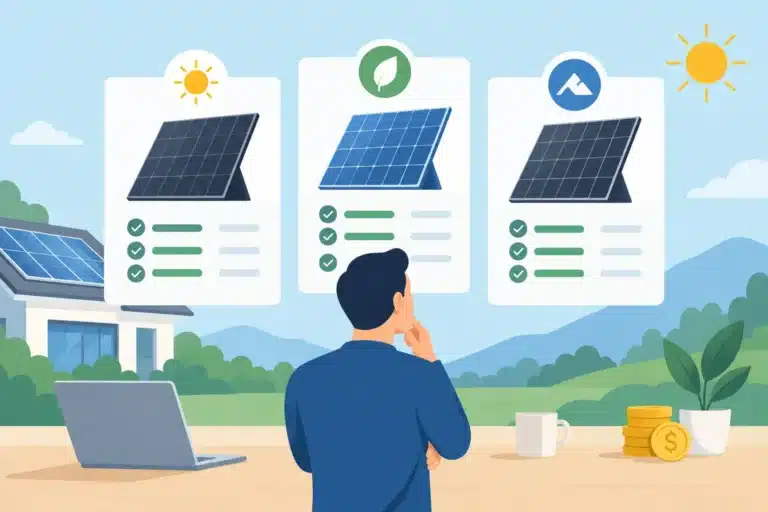
Another common mistake is comparing quotes by panel count alone. Two systems with the same advertised capacity may use very different panel and inverter quality, roof layouts, installation methods, monitoring features, and warranty terms. A quote should clearly state the total installed price after applicable incentives, as well as what assumptions have been made.
Homeowners should also avoid delaying solely in the hope that a future rebate will be better. Incentive programs have budgets, changing rules, and scheduled reductions. Meanwhile, every month without solar can mean another month of buying more electricity from the grid than necessary. The better question is whether the system makes financial sense under the incentives available now.
Get a quote built around your home
A useful solar quote starts with your household, not a generic package. It should explain the proposed system size, likely generation, estimated savings, available solar rebates, product warranties, and any electrical work required at your property. It should also be honest about variables such as weather, shading, future electricity prices, and changes to retailer tariffs.
Price matters, especially when you are making a major home improvement decision. But value comes from combining competitive pricing with dependable equipment, qualified installation, and advice that fits the way you live. Ask for the rebate position to be explained in plain language, then choose the system that will keep working hard for your home long after the initial discount is gone.