A Melbourne power bill can feel like a moving target, particularly when heating, cooling, hot water, and household appliances are all drawing energy at once. The right solar panels Melbourne system gives your household a practical way to generate more of its own power, reduce daytime grid use, and take better control of long-term energy costs.
The key is not simply putting panels on the roof. Real value comes from matching the system to your electricity use, roof space, future plans, and available Victorian incentives. A low upfront price matters, but so do panel quality, inverter performance, installation standards, warranty support, and whether the proposed system will genuinely suit your home.
Why Solar Panels Make Sense in Melbourne
Melbourne weather is often described as unpredictable, but solar systems do not need constant clear skies to produce power. Solar panels generate electricity from daylight, not just direct summer sun. Production will naturally change across seasons, with stronger output in longer, sunnier months and lower output through winter, but a properly designed system can deliver useful generation year-round.
For many households, the biggest opportunity is using solar energy while it is being produced. Running appliances during the day, scheduling laundry or dishwashing around solar generation, and choosing efficient electric heating and hot-water equipment can increase the value you receive from every kilowatt-hour your system makes.
Solar can also help reduce exposure to future electricity price rises. It will not remove every bill, particularly if your household uses significant power after sunset, but it can reduce the amount of electricity you need to buy from the grid. That is a meaningful advantage for families looking for more predictable household running costs.
Choosing the Right Solar Panels Melbourne System
There is no single best solar size for every home. A system should be designed around your actual consumption rather than selected only because it is the cheapest advertised package or because a neighbor installed something similar.
A smaller system may be appropriate for a couple with modest daytime usage and limited roof area. Larger households, homes with pool equipment, electric vehicles, ducted air conditioning, or plans to move away from gas may benefit from greater capacity. Many Melbourne homeowners consider systems in the 6.6kW to 13.2kW range, but the right answer depends on the site and the way your household uses power.
Start with your electricity habits
Look at recent power bills and consider when your household uses the most electricity. If the home is empty most weekdays and energy use happens mainly at night, panels alone may not capture as much value as they would for a household with regular daytime demand. This does not mean solar is unsuitable. It means battery storage, load scheduling, or efficient electric appliances may deserve consideration as part of the plan.
Also think ahead. A system designed only for today’s usage can become undersized if you add an electric vehicle, install a heat pump hot-water system, replace gas heating with reverse-cycle air conditioning, or expand the household. Planning for likely changes can be more cost-effective than revisiting the entire installation too soon.
Your roof matters more than the sales pitch
Roof orientation, shading, pitch, available area, and condition all affect system design. North-facing panels are often beneficial, but east- and west-facing arrays can also make excellent sense. For example, an east-west layout may better spread generation across the morning and afternoon, which can suit families with demand before and after work.
Shading from trees, chimneys, neighboring buildings, or upper roof sections needs an honest assessment. A reputable provider should identify likely shading issues and explain how they affect output. If a roof needs repairs or replacement soon, address that first where possible. Removing and reinstalling panels later adds cost and inconvenience.
Panels, inverters, and workmanship are all part of the system
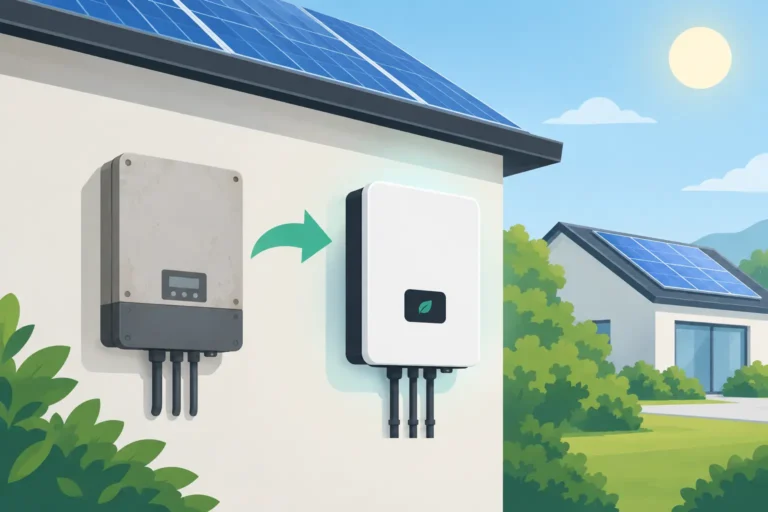
Solar panels receive most of the attention, but an installation is only as reliable as the full system behind it. The inverter converts the panels’ direct-current electricity into usable household power. Its capacity, quality, warranty, and compatibility with battery storage can affect both current performance and future flexibility.
Ask what equipment is being supplied, who will install it, and what warranty coverage applies to products and workmanship. Clean Energy Council-certified independent installers, compliant equipment, and clear documentation are not extras. They are core protections for a significant home investment.
A good proposal should make the inclusions plain. That means system capacity, panel and inverter models, installation scope, switchboard or electrical upgrade requirements, monitoring access, warranty terms, and any assumptions made about your roof. If the quote is unclear, the price is not truly comparable.
Rebates and Upfront Cost: Compare the Full Picture
Victorian solar incentives can make a new system more accessible for eligible households. Eligibility rules, rebate availability, and finance arrangements can change, so it is worth confirming current options before you commit. The important point is to assess the final installed cost, not just a headline number that may depend on conditions not explained upfront.
When comparing quotes, check whether the provider has allowed for the correct system size, applicable incentives, installation complexity, and required approvals. An unusually low offer may exclude items that become necessary after a site inspection. Price matching can be valuable, but only when you are comparing like for like: similar equipment quality, warranties, installation standards, and after-sales support.
At Sol Excel, the focus is on making sustainable home upgrades practical, with direct advice, professionally coordinated installation, and competitive pricing on systems designed for Melbourne homes. The goal should be a solution that saves money without cutting corners where it counts.
Should You Add a Solar Battery?
A solar battery stores excess daytime generation for use later, such as during the evening when household demand often rises. It can increase energy independence and reduce reliance on the grid, especially for homes that export plenty of solar power during the day but buy electricity back at night.
However, a battery is not automatically the best first step for every property. Its value depends on your usage profile, electricity plan, solar export, budget, and goals. Some homeowners choose to install solar first with a battery-ready inverter, then add storage once they have real production and consumption data. Others prefer to install a battery from day one because evening self-consumption and backup capability are priorities.
It is also important to understand what backup means. Not every battery system powers every circuit during an outage, and backup configuration can affect cost. Ask which essential loads can be supported, how long they may run, and what happens during an extended outage or low-solar period.
Get More From Solar After Installation
Solar delivers the strongest financial benefit when the household changes how it uses energy. Start by using high-demand appliances during solar-producing hours where practical. Timers, smart controls, and appliance scheduling can help without requiring constant attention.
Efficient electrification can make a bigger difference still. A heat pump hot-water system, reverse-cycle air conditioning, and energy-efficient appliances can move more of your household energy use into equipment that is cheaper to run from solar than older gas or electric resistance systems. The best upgrade sequence depends on your current equipment, budget, and the condition of your home.
Monitoring is useful too. A good app or monitoring platform shows generation and, in some cases, household consumption. That information helps you spot whether solar is being used effectively and can guide decisions about a future battery, electric vehicle charging, or further energy upgrades.
Questions to Ask Before You Sign
Before approving a solar quote, make sure you can get straight answers on the proposed system size, expected production, equipment brands, installer credentials, warranties, rebate assumptions, and total installed price. Ask whether the design allows for a future battery and whether your switchboard needs work before installation.
You should also ask what support looks like after the system is switched on. Solar is designed to be low-maintenance, but clear communication matters if you have questions about monitoring, an inverter alert, warranty service, or system performance.
The best solar decision is one that fits your roof, your household routine, and your next few years of energy plans. Take the time to compare complete proposals, not just advertised prices, and you will be in a far better position to turn Melbourne sunshine into lower bills and a more efficient home.